
Symphytum grandiflorum
15,18 €
Livré chez vous par Jardiplants, un service Renoday.
Description
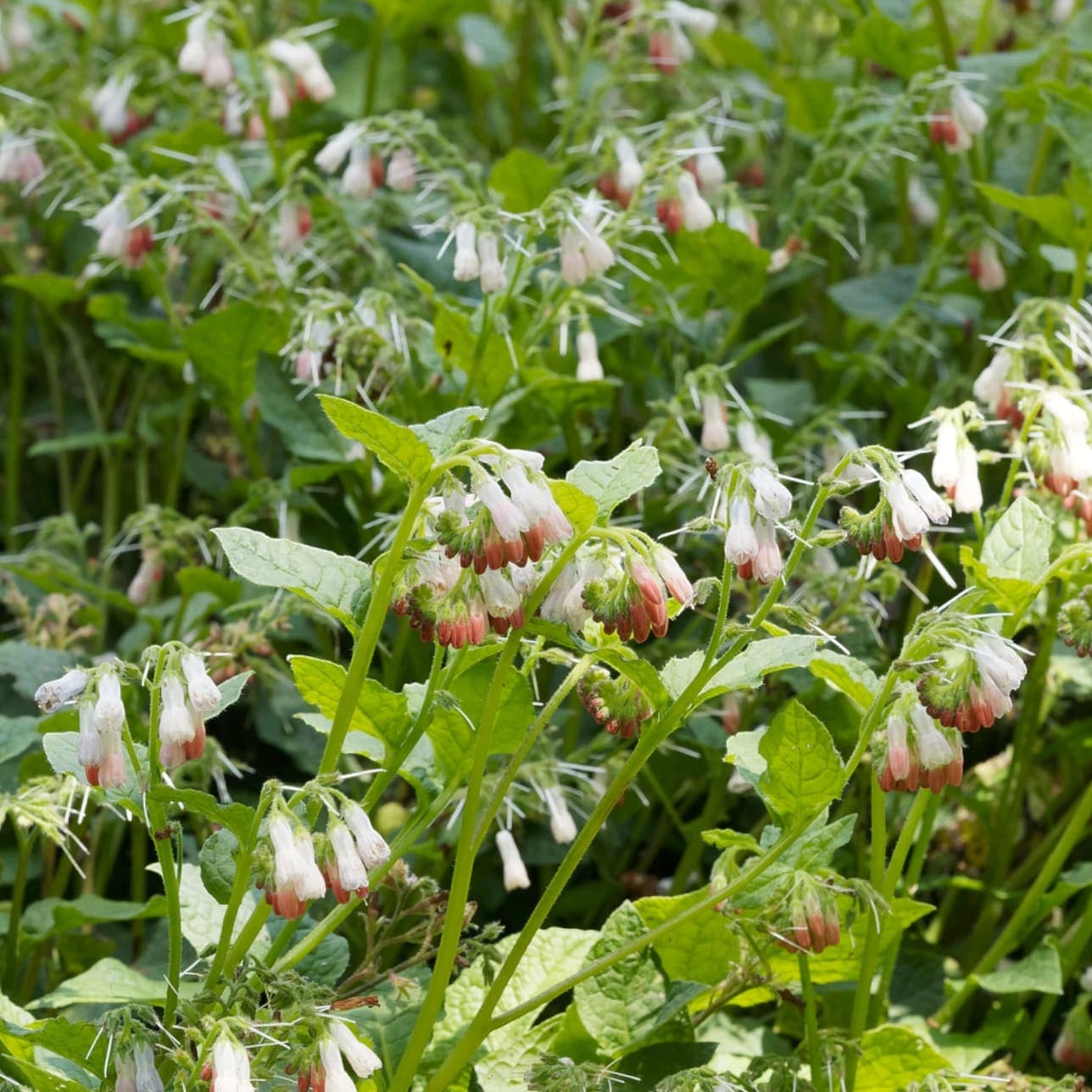
Symphytum grandiflorum for leafy groundcover in moist garden edges Symphytum grandiflorum, often called creeping comfrey, is a spreading herbaceous perennial grown for leafy cover, spring flowers and its ability to fill relaxed planting spaces. It forms broad green leaves from fleshy roots and carries pale tubular flowers in spring. The plant has a natural, woodland-edge feeling, making it useful below shrubs, along cool borders and in informal areas where bare soil needs living cover. This is a vigorous groundcover, so site choice matters. Symphytum grandiflorum is most useful where spreading growth is welcome and the planting can settle into a loose, natural pattern. Use it where the roots have room to make a broad, useful patch. Used in the right place, it becomes a practical, resilient carpet with early-season flower interest. Growth habit and spread of Symphytum grandiflorum Symphytum grandiflorum grows from a perennial crown and fleshy roots. New shoots rise in spring, broad leaves create groundcover, and flowers appear above the foliage. Mature height is usually around 30-45 cm, with spread often reaching 60-90 cm once the plant is settled. In favourable moist soil, patches can broaden steadily. In containers, Symphytum grandiflorum stays smaller and grows more slowly than plants in open ground. A container also limits spreading, which can be helpful for gardeners who want to enjoy the plant without giving it a permanent patch of soil. Use a broad, deep pot because the fleshy root system needs volume and moisture. A cramped pot dries quickly and restricts the leafy display. Light, soil and moisture Symphytum grandiflorum grows in sun or partial shade, with partial shade often giving the freshest leaf quality in warmer gardens. It can also handle cooler, lightly shaded positions below shrubs or open deciduous canopies. Morning sun with afternoon shade is a useful balance where summers are hot or soil dries quickly. It prefers fertile ground that keeps moisture available while letting winter rain move through. The plant likes steady moisture but still benefits from oxygen around the roots. Heavy clay can suit it when structure is open enough for water movement. Sandy soil needs compost or leaf mould to hold moisture. A mulch in spring helps keep the soil even while new leaves expand. Height: around 30-45 cm. Spread: around 60-90 cm after establishment. Light: sun or partial shade. Soil: fertile, moisture-retentive and open. Season: spring flowers followed by leafy groundcover. Watering and pot care Water regularly after planting until the root system is established. In open ground, Symphytum grandiflorum copes well once rooted, but leaf quality is strongest where moisture remains available during dry spells. If the plant wilts in summer, water deeply at soil level so moisture reaches the fleshy roots. For large planters, water when the upper 20-25% of the pot depth feels dry. Containers need closer attention because broad leaves lose moisture quickly in warm weather. Use a moisture-retentive compost with added mineral structure and a pot that drains freely. A saucer can hold water for a short period during hot weather, but the rootball still needs air between watering cycles. Managing growth through the year After flowering, tired stems and leaves can be trimmed to refresh the clump. New growth often follows if moisture is available. In late winter, remove collapsed old foliage before spring shoots appear. Where the plant extends beyond its allotted patch, lift edge pieces in spring and replant only the strongest sections where more cover is wanted. Symphytum grandiflorum is useful below shrubs because its early leaves cover soil before many woody plants are fully active. It also helps soften the base of informal hedges, woodland-style borders and larger cottage-garden plantings. Pair it with sturdy neighbours that share moist soil: hardy geraniums, ferns, hellebores, spring bulbs and shade-tolerant grasses. Placement signals and seasonal notes Weak growth often means dry soil, poor fertility, or a very cramped root run. Leaf scorch can follow hot sun where soil moisture is low. Excessive spread usually means the site suits the plant very well, so plan its boundary before planting. Root fragments can regrow, making careful lifting important when thinning established patches. Symphytum grandiflorum is at its best in a garden role with enough room. Give it moisture, fertility and a defined patch, and it becomes a strong groundcover with spring flowers, bold leaves and a relaxed natural look. It rewards realistic placement more than detailed fussing, especially in larger borders and underplanting schemes. Managing Symphytum grandiflorum as living groundcover This plant is most useful where its spreading habit has a clear job: covering soil below shrubs, holding a loose bank, filling a cool edge, or linking larger perennials in a natural-style area. Give it room to form a carpet, then edit the edges in spring if the patch reaches beyond the planned outline. Pieces lifted from the edge can be replanted in suitable gaps or removed to keep the shape clean. Moisture makes a large difference to the quality of the foliage. In open ground, mulch lightly after planting and water during dry establishment periods. In containers, water when the upper 20-25% of the pot depth feels dry, because broad leaves draw moisture quickly. Containers keep plants smaller and slower than open ground, making them useful for large, cool planters where leafy cover is wanted without open-border spread. Refresh cuts and seasonal rhythm After the spring flower display, tired leaves can be cut back to encourage a cleaner second flush when moisture is available. In late winter, clear collapsed foliage before the new shoots emerge. The plant responds best when the soil remains fertile, open and evenly moist.