A shaded garden isn't doomed to stay bare — it simply calls for suited species and a few adjustments to soil preparation. The main mistake is planting full-sun species there, which become leggy from lack of sufficient light.
Telling partial shade from dense shade apart
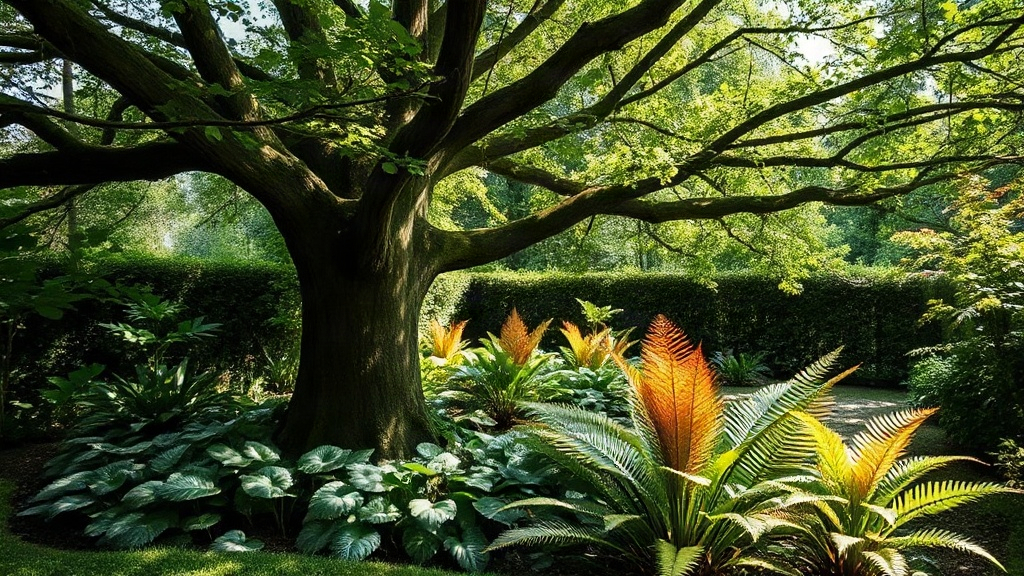
Partial shade corresponds to a spot that gets a few hours of direct sun per day, or filtered light all day (under a tree with light foliage, for example). Dense shade gets very little or no direct light at all — typically the north side of a wall or a thick hedge. Far more species tolerate partial shade than dense shade, which makes it worth precisely observing the area before choosing.
The particular challenge of soil under a tree
Soil shaded by a large tree poses a double challenge: less light, but also often drier surface soil, as the tree's roots capture a good share of the available water. Thick mulching and more attentive watering in the first year help new plantings establish despite this root competition.
What works well in shade
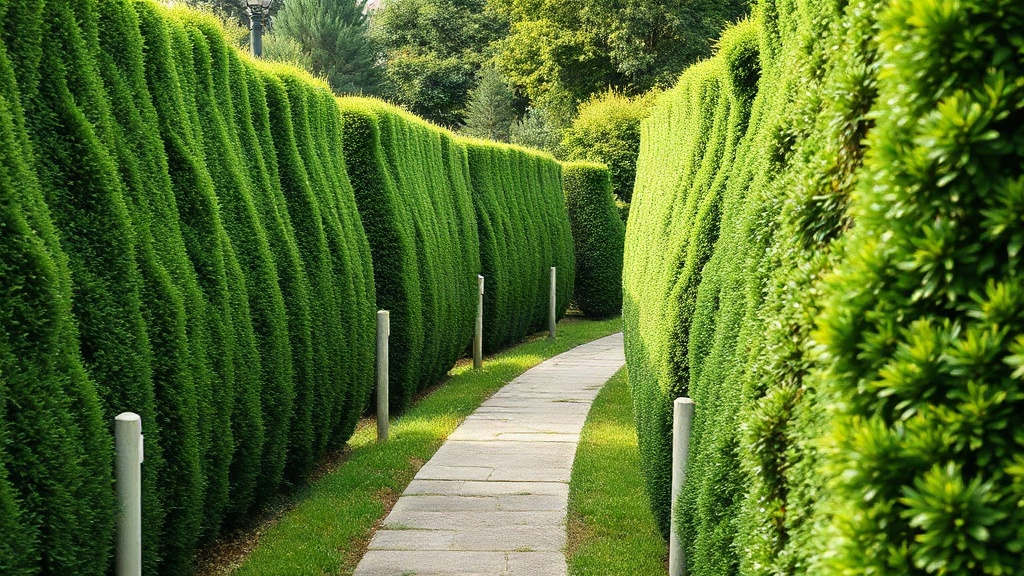
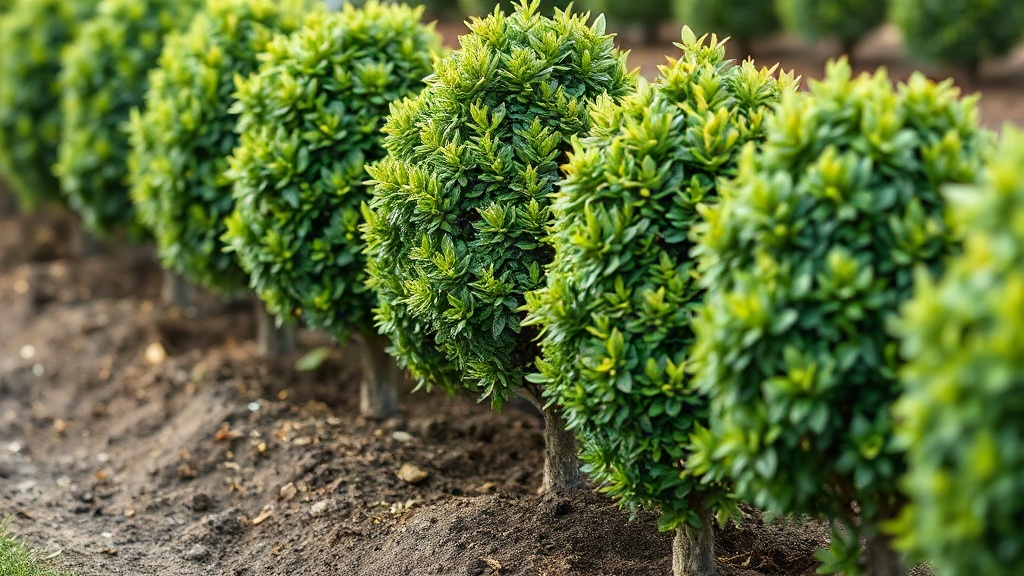
Shade-tolerant groundcovers (such as periwinkle) effectively fill an understory or shaded slope, while also limiting weed growth. Some evergreen shrubs cope very well with a shaded to partially shaded exposure, which makes it possible to keep a structured hedge or bed even without direct sun.
Browse our selection of plants suited to shade, filtered on the exposure actually stated by the supplier for each plant — never a general estimate.