Longer, drier summers are pushing more and more gardens toward plantings that tolerate heat without constant watering. A full-sun plant isn't automatically drought-tolerant: the two traits often overlap, but not always.
Why full sun is a requirement, not just a preference
A plant classified as "full sun" needs at least 6 hours of direct sunlight a day to flower and grow normally. Planted in partial shade, it generally won't die, but it will become leggy: stems stretching in search of light, reduced flowering, a less compact habit.
What makes a plant drought-tolerant
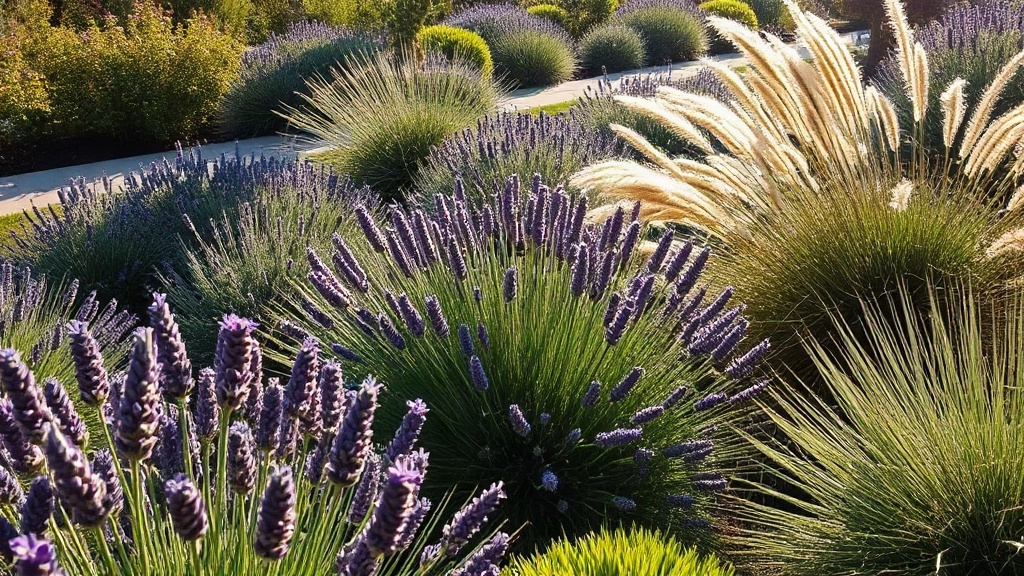
Plants that handle a lack of water well often show recognizable physical adaptations: grey or silvery foliage that reflects light, thin or fuzzy leaves that limit evaporation, or a deep root system able to reach moisture below the surface. These traits aren't a matter of care — they're part of the species' natural characteristics.
Establishment matters as much as the species itself
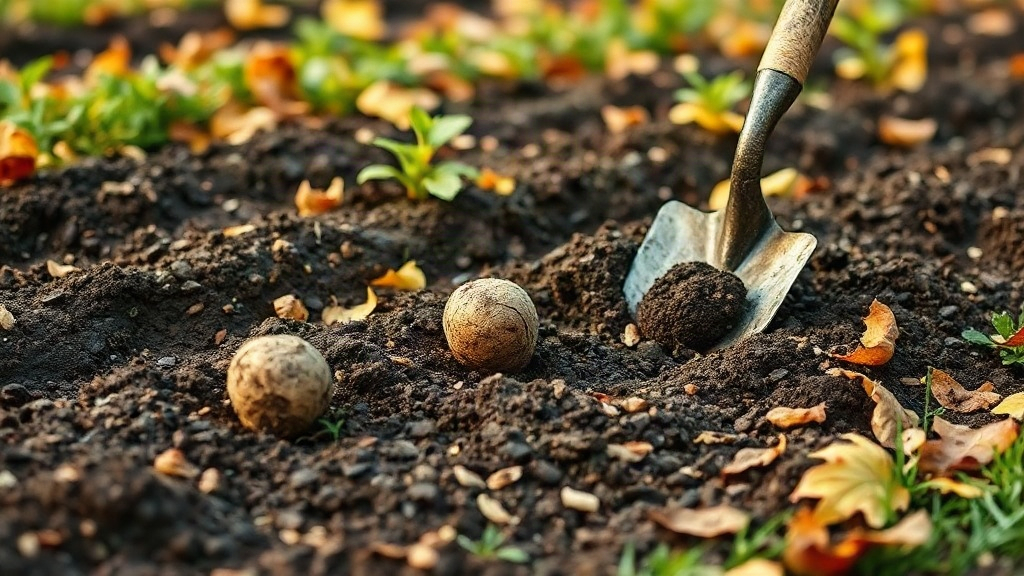
Even a plant known for drought tolerance needs regular watering during its first season, while its roots settle in deep. Planting in autumn rather than in peak summer gives a real head start: the plant benefits from autumn and winter moisture to develop its roots before facing its first summer.
Check out our selection of plants for full sun, based on the exposure stated directly by the supplier for each variety.