Soil type determines whether water and nutrients stay available to the roots or drain away too quickly — often a factor just as decisive as exposure for a planting's success, yet far less checked before buying a plant.
The simple test you can do yourself
Take a handful of slightly moist soil and try to form a ball, then a thin rope between your fingers. If the soil won't hold together at all and crumbles, it's sandy. If it forms a supple rope that bends without breaking, it's clay. If it holds as a ball but a rope breaks easily, it's loam — often considered the most balanced of the three.
Clay soil: rich but poorly drained
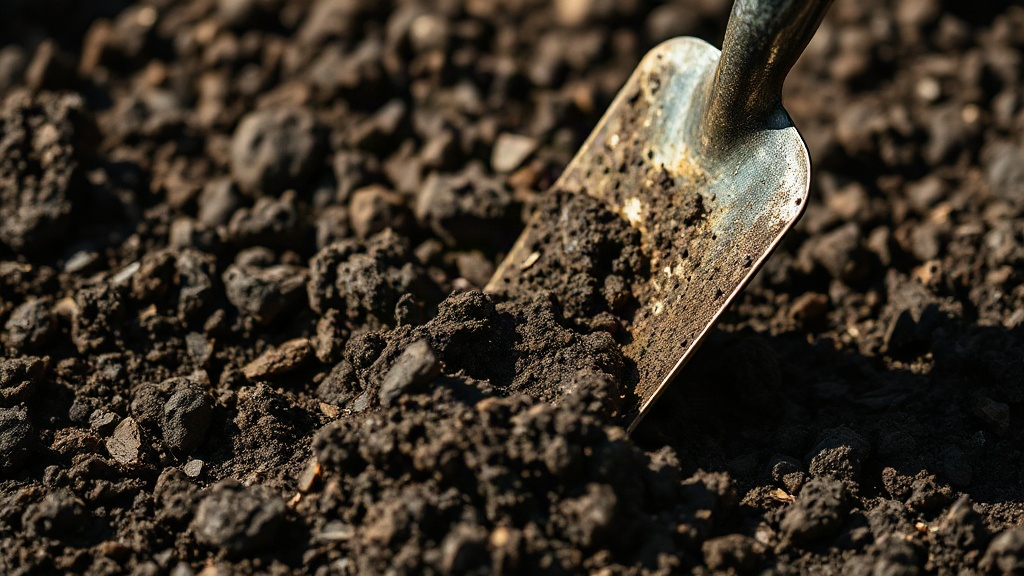
Clay soil holds water and nutrients well, making it fertile, but drains poorly: water pools after heavy rain and the soil compacts easily. Plants that dislike excess standing moisture suffer more in it. Adding coarse sand or compost helps aerate it and improve drainage over time.
Sandy soil: well drained but poor
Water and nutrients filter quickly through sandy soil, which limits the risk of root rot but requires more frequent watering and fertilizing. It suits plants that specifically dislike standing moisture. Regularly adding organic matter (compost, potting soil) improves its water retention over time.
Loamy soil: the most sought-after compromise
Loamy soil combines good water retention with proper drainage, making it the most versatile texture for the majority of garden plants. It's the dominant soil type across much of Walloon Brabant.
Our product pages list the recommended soil type when the supplier specifies it, so you can check compatibility with your garden before ordering.