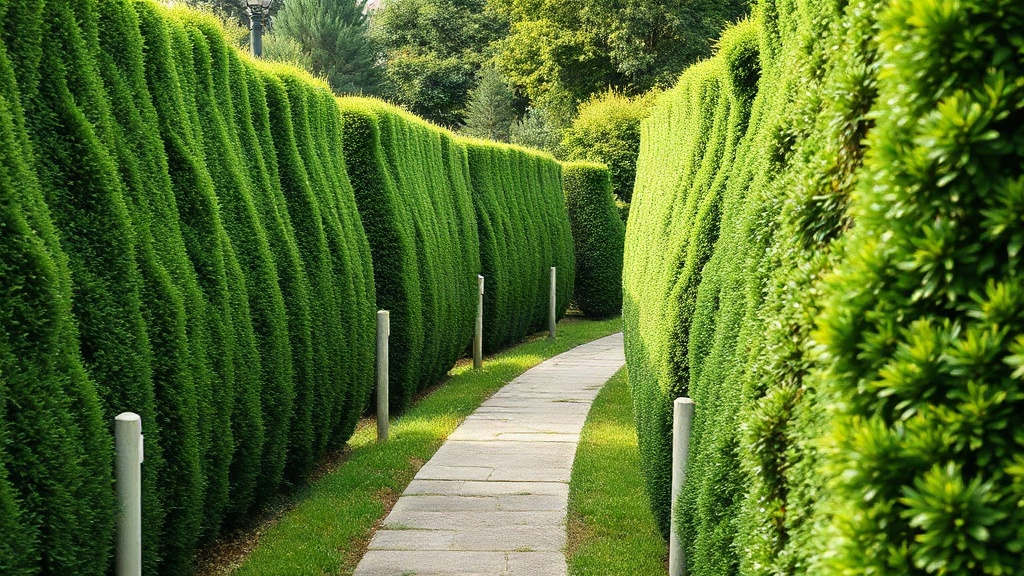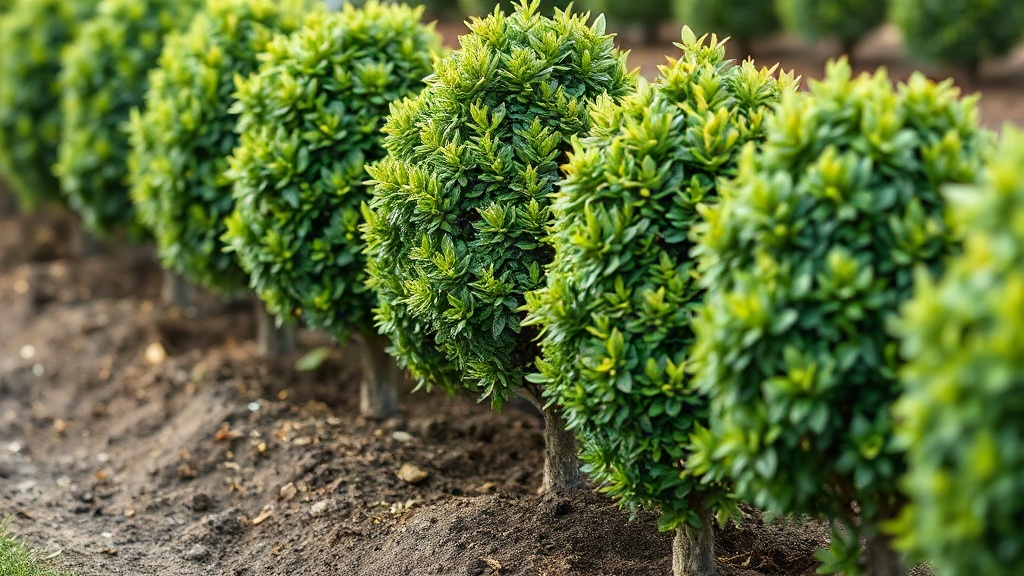
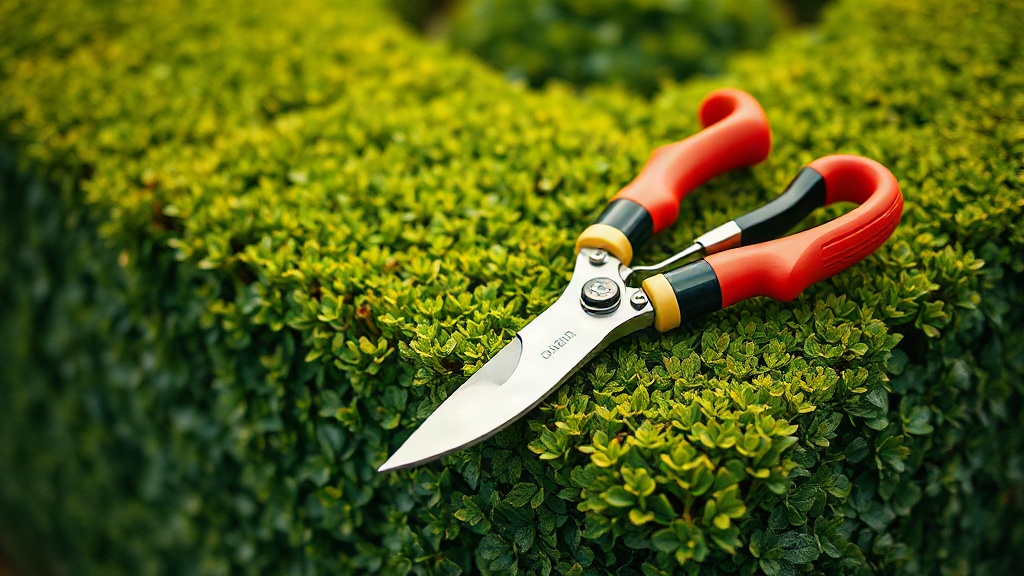
An unpruned hedge eventually thins out at the bottom and grows in height rather than density — regular pruning isn't just a matter of looks, it directly determines the hedge's density and longevity.
The basic rule: never prune in peak heat or hard frost
Pruning during a heatwave stresses the plant right when it most needs its foliage to limit evaporation; pruning during frost damages the cut tissue, which heals poorly in the cold. The safest windows fall in late winter (outside frost) and late summer, once the peak heat has passed.
Evergreen hedges: one to two prunings a year
Evergreen hedges with moderate growth (yew, boxwood) are generally pruned once a year, in late summer. Faster-growing species (cherry laurel, privet) often need a second pruning in late spring to keep a neat shape all season.
Flowering hedges: prune after flowering, never before
For a flowering hedge, the most important rule is to prune right after flowering rather than before winter or in spring. Flower buds often form on the previous year's wood: pruning at the wrong time simply removes the upcoming bloom, without harming the plant itself.
The shape to favor: wider at the base than at the top
A hedge trimmed into a trapezoid shape (slightly wider at the base than at the top) lets light reach the lower branches, preventing them from thinning out over time. A hedge trimmed straight or wider at the top almost always ends up bare at the base, for lack of enough light.